
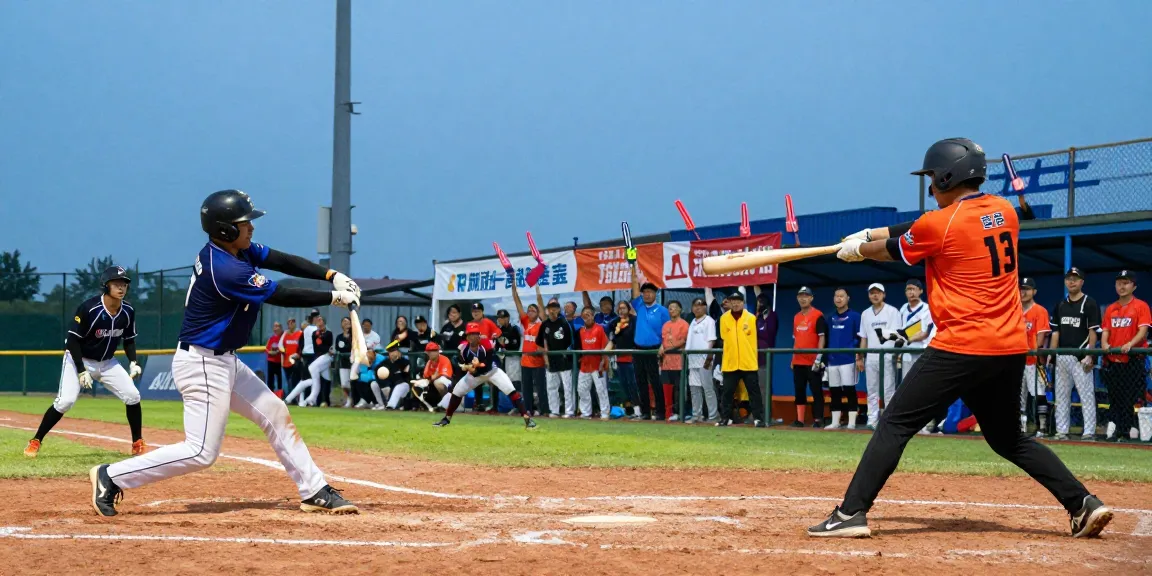
The Evolution of Hit Clubs in Competitive Sports
The landscape of competitive sports has undergone significant transformations over the past few decades, one of the most notable being the rise of hit clubs. These specialized groups have not only fostered talent but have also become pivotal in promoting sports culture and community engagement. In exploring the hit club phenomenon, it's clear that their impact extends beyond just athleticism; they serve as vital platforms for personal growth, teamwork, and competitive spirit.
History and Growth of Hit Clubs
The concept of hit clubs dates back to the early 20th century when sports enthusiasts began forming groups to improve their skills and compete at higher levels. Originally, these clubs were informal, often comprising local players who shared a passion for a specific sport. Over the years, the structure of hit clubs evolved, with formal governance and coaching becoming central components. Today, hit clubs range from grassroots organizations to elite training programs, catering to a wide demographic from amateurs to professional athletes.
The Role of Technology in Training
Technology has played a transformative role in the evolution of hit clubs. Advanced training tools, such as performance analysis software and virtual reality simulations, have become commonplace. These technologies allow coaches to tailor training sessions to individual athletes, enhancing skill development and strategy. Additionally, platforms for sharing data on player performance enable clubs to benchmark against rivals and identify areas for improvement.
Major Milestones in Recent Years
Significant milestones in the development of hit clubs include the establishment of national and international governing bodies, which have standardized training practices and competitive formats. The introduction of online platforms for remote coaching and virtual competitions has also opened up new avenues for participation, especially post-pandemic. These changes have made hit clubs more accessible, bringing together diverse groups of athletes from various backgrounds.
Benefits of Joining a Hit Club
Participating in a hit club offers numerous benefits, both on and off the field. Members not only sharpen their skills but also experience personal and professional growth through structured coaching and mentorship opportunities. The camaraderie developed among club members often leads to lifelong friendships based on shared goals and experiences.
Skill Development and Coaching Opportunities
One of the primary advantages of joining a hit club is access to expert coaching and structured training programs. Coaches in these clubs typically have extensive experience and can offer personalized feedback, helping athletes refine their skills. Training sessions often include drills, strategy discussions, and assessments, ensuring comprehensive development.
Networking and Community Engagement
Hit clubs serve as vibrant communities where members can connect, network, and support each other. Many clubs organize events, competitions, and social gatherings, further enhancing community ties. This engagement is crucial for personal growth; members build confidence, learn teamwork, and develop leadership skills that are valuable both in sports and everyday life.
Health and Fitness Advantages
Being part of a hit club promotes overall health and well-being. Regular training sessions improve physical fitness, mental resilience, and emotional stability. Moreover, the supportive environment encourages a commitment to healthy living, reducing the likelihood of burnout or injury. Members often find motivation in their peers, pushing each other to attain their fitness goals.
Challenges Facing Hit Clubs Today
While hit clubs provide substantial benefits, they also face challenges that can impact their growth and sustainability. Understanding these challenges is vital for current and aspiring members to navigate the competitive landscape effectively.
Competition from Other Sports
Hit clubs compete not only with other athletic organizations but also with various forms of entertainment that vie for individuals' time and attention. As new sports and recreational activities become popular, maintaining membership and engagement can be challenging. Clubs must continuously innovate to keep their offerings relevant and appealing to potential members.
Funding and Resource Allocation Issues
Securing adequate funding is a critical concern for many hit clubs, particularly those operating at the amateur level. Without sufficient financial resources, clubs struggle to provide quality training, hire experienced coaches, and maintain facilities. Effective resource allocation is essential, yet many clubs face challenges in balancing operational costs with the need for member services and development opportunities.
Player Retention and Motivation Strategies
Retaining members can be difficult, especially as athletes progress or encounter personal challenges. Hit clubs must employ effective motivation strategies to keep players engaged. This might include setting clear goals, offering recognition for achievements, and fostering a sense of belonging among members. Creating an inclusive atmosphere where every athlete feels valued is crucial for long-term retention.
Future Trends for Hit Clubs in 2026 and Beyond
The landscape of hit clubs is expected to evolve further as trends in sports, technology, and society change. Keeping an eye on these trends can help clubs adapt and thrive in the coming years.
Emerging Technologies and Their Impact
With the rapid advancement of technology, hit clubs are likely to integrate more sophisticated training tools. Wearable fitness technology and artificial intelligence will become staples in tracking performance metrics and tailoring training regimens. This data-driven approach will enhance the precision of coaching and maximize athletic potential.
Shifts in Player Demographics and Interests
As society becomes more health-conscious, the demographics of hit club members are shifting. An increasing number of older athletes and non-traditional sports enthusiasts are joining clubs, broadening the appeal and enriching the culture within these organizations. Clubs will need to adapt their programs to cater to diverse interests, incorporating various activities to attract a larger audience.
Predictions for Club Management and Operations
The operational aspects of hit clubs will also transform. Emphasis on streamlined management practices and member engagement will be vital. Leveraging digital tools for communication, scheduling, and payments will enhance the member experience. Furthermore, clubs may adopt more flexible membership models, allowing individuals to engage according to their personal schedules and commitment levels.
Case Studies: Successful Hit Clubs
Examining successful hit clubs provides valuable insights into effective practices that can be emulated by organizations looking to enhance their own operations.
Innovative Training Programs
Some hit clubs have distinguished themselves through unique training programs that incorporate cutting-edge methodologies and tools. These clubs often partner with sports scientists to develop customized training regimens that focus on both physical and mental preparedness, ensuring athletes are fully equipped for competition.
Community Outreach Initiatives
Successful hit clubs often engage in community outreach, hosting workshops, and clinics to promote their sport. By doing so, they not only enhance their visibility but also give back to the community, fostering a love for sports among new generations. Such initiatives can lead to increased membership and support for the club.
Performance Metrics and Success Stories
Tracking performance metrics is vital for clubs aiming to showcase their athletes' successes. Successful hit clubs often share their members' achievements through press releases and social media, creating a positive feedback loop that attracts new members and sponsors while building a reputation for excellence.
What Are the Key Benefits of a Hit Club?
Joining a hit club provides numerous advantages, including skill enhancement, expert coaching, community support, and health benefits. The combination of personal development, social connections, and fitness improvement makes hit clubs an attractive option for aspiring athletes.
How Can I Find a Hit Club Near Me?
To locate a hit club in your area, consider checking with local sports associations, community centers, or online platforms that list athletic organizations. Many hit clubs also maintain websites and social media pages that provide information on membership, practice schedules, and upcoming events.
What Should I Bring to My First Hit Club Meeting?
When attending your first hit club meeting, bring necessary equipment for your chosen sport, a positive attitude, and a willingness to learn. Many clubs also recommend bringing a notebook to jot down important information and tips shared by coaches and fellow members.
Are Hit Clubs Competitive Across Different Regions?
Yes, hit clubs can be competitive across various regions. The level of competition may vary based on the resources available, the talent pool in the area, and the club's management strategies. Clubs often participate in regional tournaments, allowing them to gauge their skills against others and foster healthy competition.
How Do Hit Clubs Foster Teamwork Among Members?
Hit clubs cultivate teamwork by organizing group training sessions, team-building activities, and competitive events. These experiences encourage collaboration, communication, and support among members, fostering a strong sense of camaraderie that enhances overall performance.